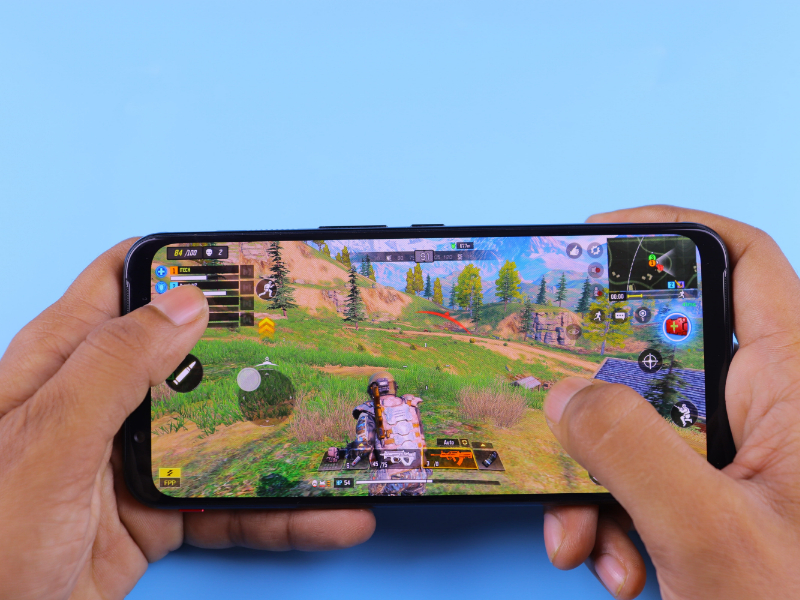
Tech by Android – Mobile games and their impact on learning and focus continue to be a topic of debate among parents, educators, and researchers. On one hand, some argue that games enhance hand-eye coordination, critical thinking, and reaction speed. On the other, concerns grow over distraction, addiction, and reduced attention span. The truth lies somewhere in the middle. As mobile games evolve, their effects depend heavily on content, duration, and context. Understanding this helps guide better choices for kids and adults alike.
“Read More: Djakarta Warehouse Project Event 2025 returns to Bali, DWP Schedule and Location Update”
Some mobile games are designed specifically to enhance thinking and memory. Puzzle apps, math games, and vocabulary challenges fall into this category. They encourage users to solve problems, make decisions, and retain information. When played regularly but in moderation, these games support mental agility. Moreover, they often mimic classroom content in a more engaging format. Teachers and parents now use them as tools to reinforce learning. Children feel motivated when learning feels like fun.
Despite their benefits, mobile games can interfere with learning when used during study time. Notifications, alerts, or even short play sessions divide focus. As a result, students retain less information. They also struggle to return to deep concentration. Schools often ban phones during lessons for this reason. Multitasking may seem efficient, but it weakens memory and task completion rates. Managing screen time becomes essential for academic success, especially during exam preparation.
“Read About: Cybersecurity in 2025: Inside the Battle for Your Data”
Game design often incorporates strategic challenges that require memory use, planning, and quick analysis. Games like chess apps or logic puzzles improve cognitive skills. These skills translate into better focus and problem-solving outside the game. In fact, some therapists use mobile games as part of cognitive behavioral therapy. The key difference lies in structure. Games that reward patience and learning promote growth. However, those based only on repetition or luck offer fewer cognitive gains.
Addiction to mobile games can lead to negative habits. Players who spend hours gaming may show signs of irritability, sleep disruption, and social withdrawal. Additionally, dopamine spikes caused by game rewards affect mood regulation. Over time, users seek constant stimulation. This disrupts focus and lowers tolerance for real-world challenges. Parents often notice sudden mood swings or reduced interest in school. Setting clear limits and encouraging balance helps prevent these issues from escalating.
Families and educators can create healthy routines by introducing structured game time. Choosing high-quality apps and setting daily limits teaches self-regulation. For younger children, co-playing with parents enhances communication. Discussion during or after gameplay strengthens comprehension. Adults model behavior by putting phones away at certain times. These habits extend into other areas like reading and physical activity. Guided play transforms games from a passive distraction into a shared, intentional experience.
Tech by Android - Pada minggu ini, Android 14.2 mulai menyebar ke perangkat flagship, memperkenalkan mode privasi baru dan peningkatan…
Tech by Android - Smartphone terbaru meluncur dengan chipset Snapdragon 8 Gen 3, menambah 20% performa dibanding generasi sebelumnya, menurut…
Tech by Android - Android versi 14 resmi diluncurkan pada Mei 2024, menghadirkan mode privasi baru yang mengurangi pelacakan aplikasi…
Tech by Android - Pengguna perangkat mobile kini dihadapkan pada gelombang pembaruan masif dari ekosistem Google Play, di mana aplikasi…
Tech by Android - Data Newzoo 2024 menyebutkan 51 persen pendapatan game global kini berasal dari sektor mobile, sebuah angka…
Tech by Android - Laporan internal dari tim engineering Google yang baru saja bocor ke publik mengindikasikan perombakan drastis pada…